Resetting Your Sea-to-Sky Home After a Big Snowfall
By Carola Saenz, Founder & Owner · Magic Clean Whistler

A 40-cm dump is gorgeous from the chairlift and brutal on a Sea-to-Sky entryway. Salt, grit, gear and damp boot prints accumulate quickly, and a few skipped weeks can quietly wear down floors, fabrics and indoor air quality. Here is the reset routine our crews use after a big snowfall, whether it is a Whistler chalet, a Squamish townhouse or a Pemberton family home.
Why Whistler Snowfall Creates Unique Cleaning Challenges
Whistler averages over 11 metres of snowfall per season — and every centimetre of it eventually walks through your door. Unlike city snow, which tends to be fine and dry, Sea-to-Sky snow arrives heavy and wet, especially during the shoulder months of November and March. That moisture is the real problem. It soaks into boot liners, saturates doormats, and turns road grit into a salt-and-sand slurry that scratches hardwood and stains grout.
Then there is the gear. A household of skiers or boarders generates an extraordinary amount of damp equipment. Helmets, gloves, base layers, goggles, jackets and pants all compete for drying space. Most mudrooms were not designed for peak-season volume. Condensation forms on cold windows and exterior walls as the heated interior meets the frozen outside, leaving water marks and, over time, the early signs of mould at window sills and behind furniture pushed against outside walls.
Salt and de-icing chemicals are particularly damaging. Road crews treat Highway 99 aggressively through winter, and that salt rides in on boot soles, dog paws, and pant cuffs. Left on hardwood or tile, it draws additional moisture from the air, which accelerates finish degradation and grout discolouration. A proper post-snowfall reset addresses the source before it compounds.
The Entry Point: Mudroom and Entryway First
The mudroom is where the battle is either won or lost. Address it within the first hour of coming in from a big storm day — before gear dries into a stiff, dirty crust that is harder to deal with.
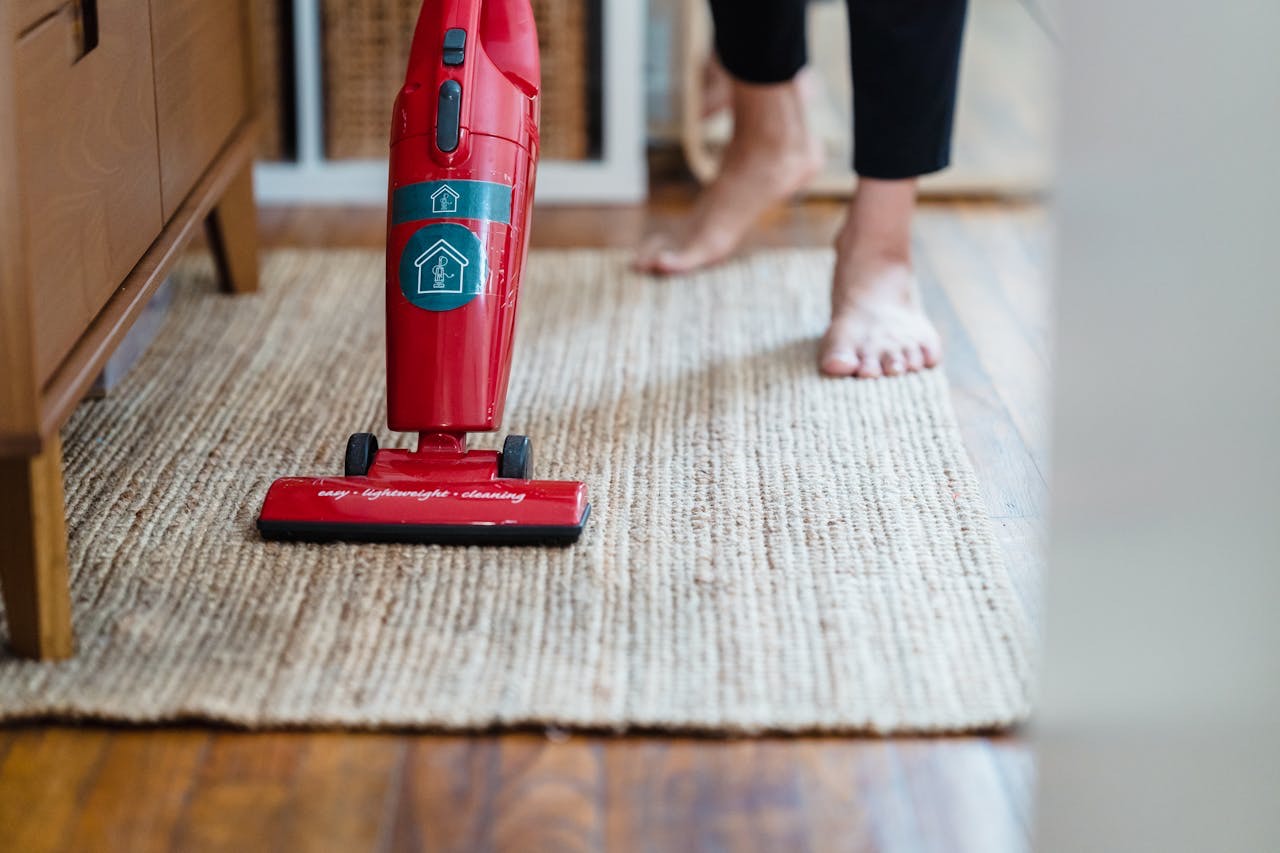
- Vacuum, then wash mats: Boot mats trap salt and gravel that scratches floors. Vacuum first, then rinse outdoors before they go back down.
- Wipe down door seals and thresholds: Frozen condensation drips here and leaves stains. A damp microfibre cloth lifts it before it sets.
- Hang gear immediately: Wet jackets and pants draped over benches or piled on the floor trap moisture against surfaces. Use hooks or a drying rack and allow space between items.
- Drain and wipe boot trays: The pool of meltwater sitting in a boot tray is a slow attack on your flooring substrate if left overnight.
- Reset the mudroom: Sort what does not belong, wipe shelves so meltwater does not pool unseen, and do a quick check of baseboards where snow-damp boots lean.
Floor Care: Hardwood, Tile and Carpet React Differently
Not all floors handle snow-season moisture the same way, and treating them all identically is a common mistake.
- Hardwood and engineered floors: Damp-mop with a pH-neutral cleaner — never a soaking wet mop. Salt left behind dulls finishes within a season. If you see white haze on the surface, that is salt residue; a diluted vinegar solution on a barely damp cloth will lift it without damaging the finish.
- Tile and grout: Tile is more forgiving of moisture but grout is porous and absorbs dissolved salt and road chemicals. Pay attention to grout lines closest to entries; they hold most of the colour change. A stiff grout brush and pH-neutral cleaner on a weekly basis through peak season makes a difference. Sealing grout annually is worth doing.
- Carpet and area rugs: Vacuum both sides after any heavy-traffic storm day. Salt that dissolves into carpet fibres is invisible until it recrystallises as the carpet dries, leaving stiff spots that wear fibre prematurely. Book a professional deep carpet clean every spring to lift dissolved salts that hand-cleaning cannot reach.
- Stair treads and banisters: Often skipped, but ski socks and damp pant legs transfer a surprising amount of moisture and grit to stairs. Wipe treads with a damp cloth and check the base of each baluster post where grime accumulates.
Indoor Air Quality After Being Sealed Up During a Storm
A Whistler house sealed tight for three or four stormy days develops its own microclimate. Humidity climbs, airborne particles from wood stoves and boot-drying recirculate, and the air quality degrades noticeably. This matters more than people realise. Health Canada considers indoor air quality a significant health concern. Winter heating season is when it tends to be worst.
- Replace or vacuum HVAC filters: Wood-stove smoke and constant forced-air heating put filters under load. A swap every 30 days through winter makes a real difference in dust and particulate levels.
- Wipe down warm-air registers: Dust collects on grilles and recirculates with every heating cycle — a quick wipe takes two minutes and meaningfully clears airborne dust.
- Open the house briefly on a clear day: Even ten minutes of cross-ventilation lowers accumulated humidity and flushes stale air. After a multi-day storm, the first clear morning is the right time to crack windows on opposite sides of the house.
- Monitor indoor humidity: Whistler homes in winter often run too dry from forced heating, then swing humid during storm days. A simple hygrometer tells you whether to run a humidifier or a dehumidifier — aim for 40 to 50 percent relative humidity.
- Wash bedding weekly: Closed bedrooms with cranked heat create conditions dust mites prefer. A hot wash — 60°C or above — eliminates them effectively.
The Kitchen and Bathroom Reset After a Storm Day
Storm days mean everyone is home. The kitchen gets more use than usual — big breakfasts before the mountain opens, lunches packed and unpacked, après food from a crowd of cold and hungry people. The bathrooms absorb helmet hair, goggle marks and post-ski showers. Both rooms need a deliberate reset, not just a surface wipe.
In the kitchen: wipe down all contact surfaces, empty the bin before odours settle in a sealed room, check under the sink for any moisture from people washing hands in ski gloves, and run the rangehood for ten minutes after cooking to clear steam before it lands on surfaces. In the bathroom: squeegee shower glass after every use during high-traffic periods, check the floor around the toilet and sink for water pooling from wet socks, and restock hand towels so they have time to dry between uses.
When to Call a Professional: Signs That Snow Season Has Gone Beyond a Quick Tidy
There are a handful of signs that what you are dealing with is beyond a weekly tidy and into professional-clean territory:
- White or grey haze on hardwood floors that does not lift with regular mopping — accumulated salt damage that needs the right products and technique to address without stripping finish
- Grout lines that have gone from cream or grey to a persistent dark brown or black, especially near entries and bathrooms — a sign that mould spores have taken hold in porous grout
- A musty smell in bedrooms or the mudroom that persists even after airing out — early mould growth behind baseboards or under rugs
- Carpet that feels stiff or crunchy in high-traffic zones even after vacuuming — dissolved salt that has recrystallised deep in the pile
- Window sills or the corners of exterior walls with soft spots or visible discolouration — condensation-driven moisture that has migrated into drywall or wood framing
Any of these is worth addressing sooner rather than later. Salt and moisture damage compounds quickly in a Whistler winter. A surface clean in October can become a repair conversation by April if left unattended.
Post-Snowfall Cleaning Checklist
Use this after any major storm day or back-to-back powder week:
- Vacuum all boot mats and rinse outdoors
- Wipe door thresholds, seals and the entry baseboards
- Drain boot trays and wipe dry
- Hang all wet gear on hooks or drying racks — nothing on the floor
- Damp-mop hardwood and tile with pH-neutral cleaner
- Spot-clean carpet for visible grit or wet patches
- Vacuum HVAC filter or check its replacement date
- Wipe warm-air registers
- Open windows on the first clear day for a minimum of ten minutes
- Wipe down shower glass and bathroom floors after high-traffic days
- Empty kitchen bin and wipe rangehood filter
- Check window sills and exterior-wall baseboards for moisture
- Wash any towels or mats that absorbed significant moisture
When to Bring in a Crew
If life gets in the way and the reset stretches over weeks, that is exactly when our residential cleans pay off. A scheduled bi-weekly or monthly visit catches what a quick tidy misses. Salt builds up in grout. Humidity creeps into corners. The mudroom never quite recovers from January's back-to-back storms. It protects the floors and finishes you have invested in, and gives you back the parts of a Whistler weekend you actually want: on the mountain, on the trails, or by the fire.
If snowfall season has left your carpets carrying road salt and glacial silt, a professional carpet clean pairs well with a seasonal reset. For properties with air quality concerns, our specialty cleaning services cover everything from upholstery to hard-to-reach surfaces.
Carola and the Magic Clean team have been keeping Sea-to-Sky homes clean through every kind of winter since 1997. Our staff are bonded, insured and background-checked, and we use biodegradable products on every job. Need a hand resetting your Whistler home? Magic Clean's residential cleaning service covers the full Sea-to-Sky corridor, from Squamish to Pemberton.