What’s Hiding in Your Whistler Carpets After Mud Season
By Carola Saenz, Founder & Owner · Magic Clean Whistler
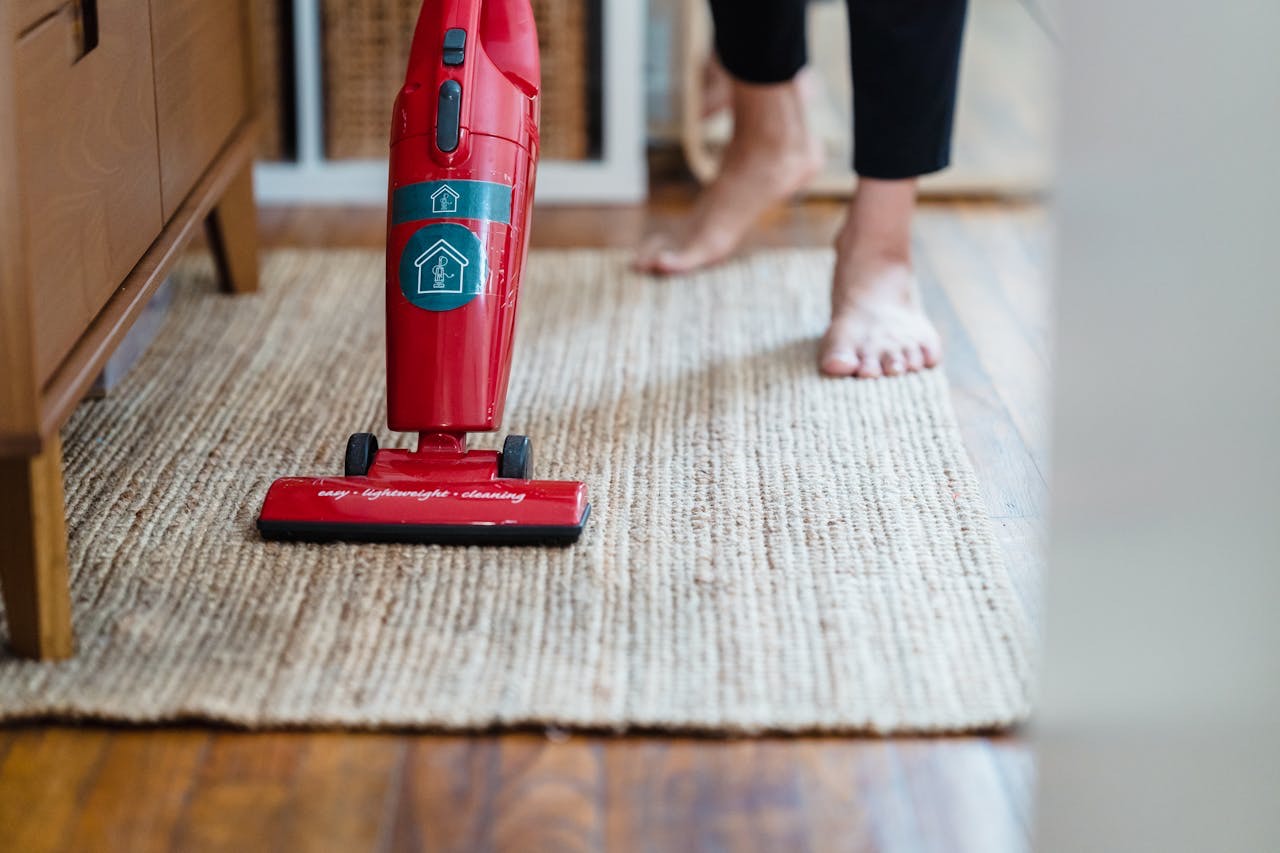
Mud season in the Sea-to-Sky has a particular signature: damp dog paws, gritty boot prints, a layer of dissolved trail mud worked deep into the pile. Most carpets and rugs in Whistler homes get vacuumed weekly, but vacuuming only lifts the top layer. Professional carpet cleaning in Whistler is one of the most requested services after mud season ends, when glacial silt and road debris have had months to work deep into carpet fibres. Here is what actually builds up below — and what a professional extraction can pull back out.
What Mud Season Actually Deposits in Whistler Carpets
Mud season in Whistler runs from roughly March through May, and what gets tracked into homes during that period is more complex than it looks. It is not just mud. The Whistler valley floor sits on glacially-deposited soils: fine silts and rock flour from thousands of years of glacial grinding. These particles are significantly finer than regular topsoil, which means they penetrate deeper into carpet pile and are much harder to extract with conventional vacuum suction.
- Glacial silt and rock flour: Ultra-fine mineral particles that embed below the surface of the pile and act like sandpaper on carpet fibres with every footfall
- Road salt and de-icer chemicals: Applied to roads and walkways throughout winter, these are tracked in on boots from January through April; they crystallise in the pile and cause colour dulling and fibre degradation over time
- Pollen: As temperatures rise in March and April, birch and alder pollen loads in Whistler air become significant; soft surfaces collect and hold it
- Mould spores from snowmelt: Melting snow activates mould growth in soil and decomposing organic matter; spores travel indoors on footwear and settle into the warm, slightly humid environment of a carpet
- Trail and driveway grit: Microscopic mineral particles act like sandpaper on carpet fibres every time someone walks across the room
- Salt and ice-melt residue: Tracked in on boots and gear, salt crystallises in the pile and dulls the colour over time
Why Vacuuming Alone Is Not Enough
Regular vacuuming is essential maintenance — but it addresses only the top third of the carpet pile at best. The contamination that matters most has already moved deeper.
- Top-layer only: Even high-quality vacuums lift the surface debris, not the dissolved residues set deeper into the pile
- Compacted dirt becomes part of the fibre: Foot traffic packs grit downward where vacuum suction cannot reach; this is what causes the premature greying of high-traffic areas
- Allergens stay put: Dust mite waste and pet dander cling to fibres and recirculate every time someone walks past or the air circulates through the room
- Stains continue to set: Spills that look gone often resurface as the carpet dries — a sign the residue is still there, wicking up from the backing
- Fine silt cannot be vacuumed out: Glacial particles below a certain size pass straight back through many vacuum filters; without a HEPA-rated filter and extraction process, they circulate rather than being removed
The Allergen Load After a Wet Whistler Spring
Carpets in Whistler homes face a particular allergen challenge in late spring. The combination of months of sealed-up living, elevated indoor humidity from damp gear and snowmelt tracked indoors, and the arrival of pollen season creates ideal conditions for dust mite population growth. Dust mites thrive in temperatures between 20–25°C and relative humidity above 50% — both conditions that describe most Whistler chalets in late winter and early spring.
Post-season rental properties face an additional load. A ski-season chalet that has hosted multiple groups of guests will have accumulated pet dander from visiting dogs (a Whistler staple), shed skin cells, food residue in soft furnishings, and a mould spore count that is substantially higher than a full-time residence where ventilation is more consistent.
Pet Owners and Ski Lodges: Additional Factors
Whistler is an extremely dog-friendly community. Most trail users and many rental guests bring dogs, and the carpets in pet-accessible rooms carry a contamination load that goes well beyond what vacuuming manages. Dog dander embeds deeply into carpet fibres and is one of the most persistent indoor allergens. Wet dog — a near-constant condition in spring — also introduces bacterial odour compounds that bond to carpet backing and underlayment, not just the surface pile.
Short-term rental properties that allow pets should be treating their carpets as a maintenance item rather than a reactive fix. A professionally extracted carpet after a busy pet-season is simply part of protecting the asset.
Hot Water Extraction vs. Carpet Shampooing
These terms are often used interchangeably but they describe genuinely different processes with different results.
Carpet shampooing applies a foam or liquid cleaning agent to the carpet surface, agitates it into the pile, and then extracts it. The limitation is that shampooing leaves a residue in the carpet — a small amount of surfactant that, over time, actually attracts dirt faster than untreated fibre. It also does not penetrate as deeply into the pile as extraction.
Hot water extraction (often called steam cleaning, though it uses hot water rather than steam) injects a precisely heated solution of water and cleaning agent under pressure into the carpet pile, then immediately extracts it along with whatever it has dislodged. The heat is key: it breaks down the protein bonds that hold biological residues — dander, mould spores, bacteria — to fibre, and the extraction removes them rather than pushing them around. The result is a carpet that is genuinely clean at depth, not just at the surface.
Commercial-grade hot water extraction machines, truck-mounted or industrial portable units, perform substantially better than the supermarket-hire alternatives. The water temperature, extraction pressure, and recovery rate all differ significantly.
Drying Time and How to Speed It Up
Hot water extraction leaves carpets damp rather than wet. Under normal conditions — good air circulation in a dry Whistler property — most carpets are dry within three to six hours. Thicker piles and wool carpets may take longer.
To speed up drying:
- Open windows and doors to maximise air movement through the room
- Run the HVAC fan (not heat) to circulate air
- Use portable fans directed across the carpet surface at low angle
- Avoid walking on damp carpet where possible, and remove shoes when you do
- Do not replace furniture until the carpet is fully dry — rubber-backed furniture legs can cause permanent staining on damp carpet
Different Carpet Types and How They Respond
- Wool: The most resilient natural carpet fibre but also the most sensitive to heat and alkaline cleaners. Requires specialist low-moisture treatment and careful drying to prevent shrinkage
- Synthetic (nylon, polyester): The most common type in Whistler rentals; responds well to hot water extraction and dries relatively quickly
- Berber: Loop pile construction that traps debris deeply between the loops; requires more passes and often pre-treatment to clean properly
- Plush/saxony: Dense pile that shows foot traffic marks clearly; extracts well but needs careful post-clean grooming to restore the pile direction
When to Replace Rather Than Clean
Professional cleaning restores most carpets — but not all of them. Signs that a carpet has passed the point where cleaning will make a meaningful difference:
- Delamination: the backing is separating from the pile, which means the structural integrity has gone
- Permanent fibre damage: crushed or matted pile in high-traffic areas that does not recover after cleaning and grooming
- Persistent odour after multiple professional cleans, which suggests the contamination has penetrated to the underlayment or subfloor
- Mould growth visible at the edge of the carpet or detectable after cleaning — a sign that moisture has been present in the backing for an extended period
- Age and wear: most residential carpets have a useful life of ten to fifteen years under normal conditions; in a high-use rental property that timeline compresses
What Professional Carpet Cleaning in Whistler Actually Does
- Hot-water extraction: Truck-mounted or commercial-grade machines inject hot solution and pull it back out — along with everything trapped in the pile
- Pre-treatment for stains: Targeted application on high-traffic areas, pet spots and accidental spills
- Bio-degradable solutions: Safe for kids, pets and the wider Sea-to-Sky watershed
- Faster drying than you would expect: Modern equipment leaves carpets dry within a few hours, not days
How Often Whistler Carpets Need Professional Cleaning
Frequency depends on how the property is used. As a guide:
- Permanent residents (no pets): Once a year, ideally after mud season in spring
- Permanent residents with pets: Twice a year — after mud season and again in autumn
- Seasonal vacation rentals: After each season's end, at minimum; high-turnover summer and winter properties benefit from mid-season treatment as well
- Short-term rental properties with pet permissions: After any extended pet-guest stay, and at a minimum after each major season change. Our residential cleaning service covers the full property alongside the carpet extraction in a single visit.
Magic Clean has been cleaning Sea-to-Sky homes since 1997. Our crews are bonded, insured, and background-checked, and we use biodegradable cleaning solutions throughout. For professional carpet cleaning in Whistler, Pemberton, Squamish, Furry Creek, and Britannia Beach, contact Magic Clean Whistler — owner-operated since 1997, using hot water extraction to remove what vacuuming leaves behind.